U
Alcohol Policy Undecided for Vikings
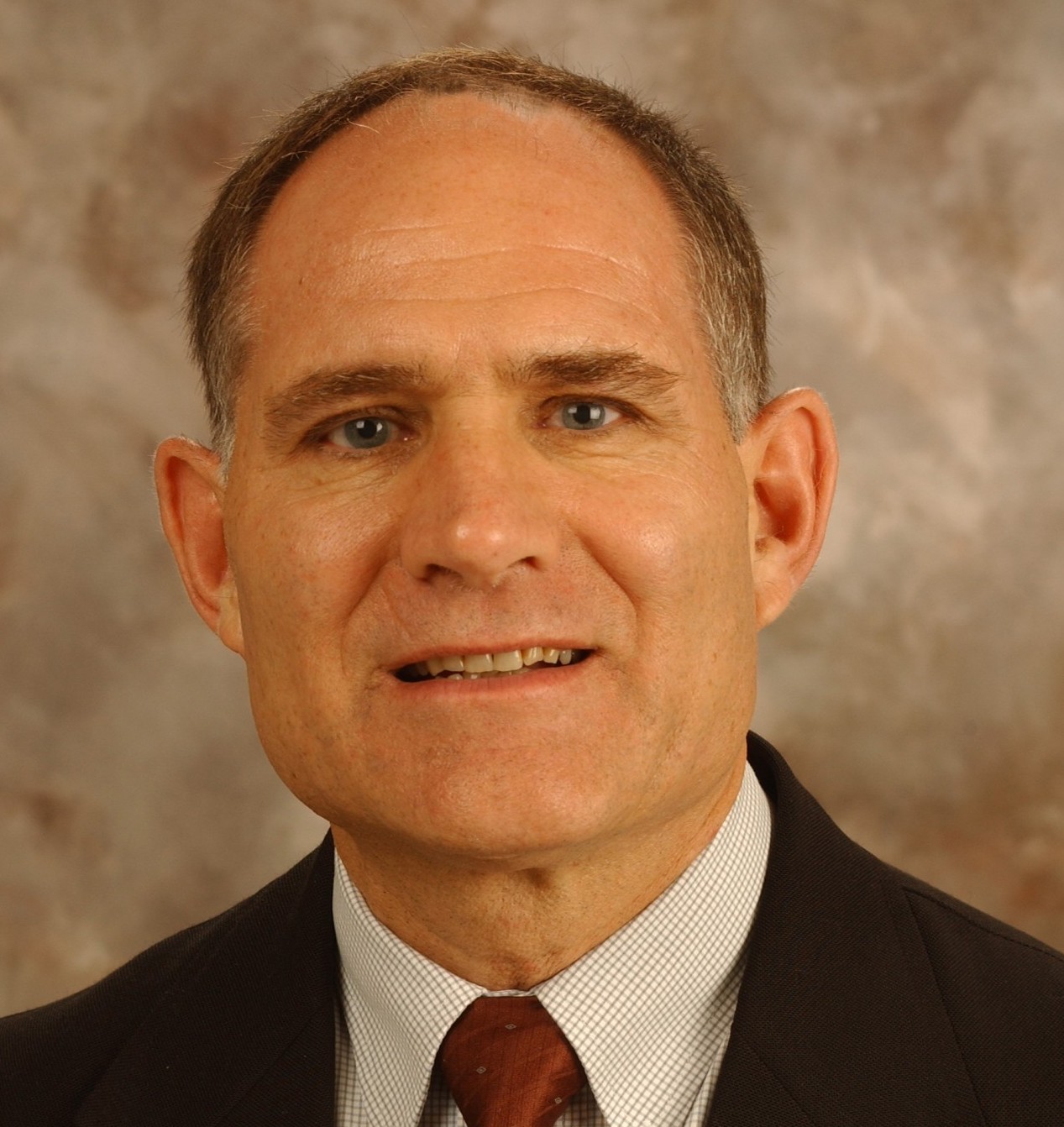
Phil Esten,
associate athletics director for the Gophers, told Sports Headliners
that if the Vikings play at TCF Bank Stadium the issue of selling
alcohol at the facility will need to be discussed. “If it does come to
that fact we would have to sit down and talk about it,” he said.
There’s no doubt that Vikings decision makers will ask to play at the
University’s new facility if the Metrodome is unavailable in future
years. Owner Zygi Wilf and others want to see a new domed
stadium constructed on the existing Metrodome site, meaning that for a
couple of years the Vikings will need a home at the University.
Because there are about 14,000 fewer seats at TCF compared to the dome,
the Vikings will lose ticket revenues. The absence of income from the
sale of alcohol would further diminish revenues. Metrodome executive
director Bill Lester said the Vikings receive about $1 million
annually from food and beverage sales, but didn't have a figure for the
franchise's share of alcohol revenues.
The University does have a liquor license with the city and permission
could be given to sell alcohol at Vikings games but athletics director
Joel Maturi said the issue goes beyond that. The University and
surrounding community have been told in the past that no more than 12
events attracting crowds of 15,000 or greater will be held annually in
TCF Bank Stadium, Maturi added. Still, public pressure will likely be
such that the University will allow the Vikings to play at the stadium
Meanwhile, the University Board of Regents approved president Bob
Bruininks recommendation yesterday to not make alcohol available in
TCF Bank Stadium for Gophers games and other athletic events. The original intent was to provide
alcohol in stadium premium seating areas (as done in the suites at the
basketball and hockey arenas) but the state legislature and governor
recently enacted legislation directing that alcohol be available to all
fans or none.
TCF Bank club seating and other premium ticket purchasers had been told for some
time that they could purchase alcohol at games and Esten said the
University feels “bad” about what’s developed. “It’s not what we want,
but it’s the hand we’ve been dealt,” he said.
Maturi said an announcement is expected later this week describing
options that premium purchasers now have because of new developments.
He said reaction has been at “both extremes” including those who are
upset about not being able to entertain with alcohol.
Given the alternative of a “dry” facility, or making alcohol available
to everyone including students of drinking age, Esten said the decision
was easy for the University. The rationale to be socially responsible
in a “culture” that promotes binge and under age college drinking is a
high priority, Esten said.
Eight other Big Ten schools provide alcohol in premium seating areas.
Michigan, Ohio State and Minnesota don’t, according to Esten. He also
said Cincinnati and Syracuse are the only schools with on-campus
stadiums that sell alcohol throughout their facilities.
Esten said fans who have access to pre-purchased parking in designated
tailgating surface parking lots will be able to consume alcohol. There
will be about 9,000 parking spaces on the East Campus (nearest the
stadium) and they will be available only by advance purchase. Other
football parking will be available on the West Bank Campus, St. Paul
Campus and at the State Fairgrounds.